
Foods That Improve Cartilage Health
Discover essential nutrients and whole foods that support joint resilience and cartilage integrity. Our comprehensive guide explores the science behind dietary choices for optimal skeletal support.
The information on this site is for educational purposes only and does not constitute medical advice. Always consult a qualified healthcare professional before making health decisions.
Browse by Category
Essential Foods for Cartilage Support
Explore our carefully curated selection of nutrient-dense foods known for their role in maintaining healthy cartilage structure and function.
Bone Broth
Bone broth contains abundant collagen and gelatin that break down into amino acids like glycine and proline. These building blocks directly support cartilage matrix formation and elasticity. Simmering bones for 12-24 hours extracts maximum nutrient density, making it a cornerstone food for skeletal support.
Explore DetailsWild-Caught Salmon
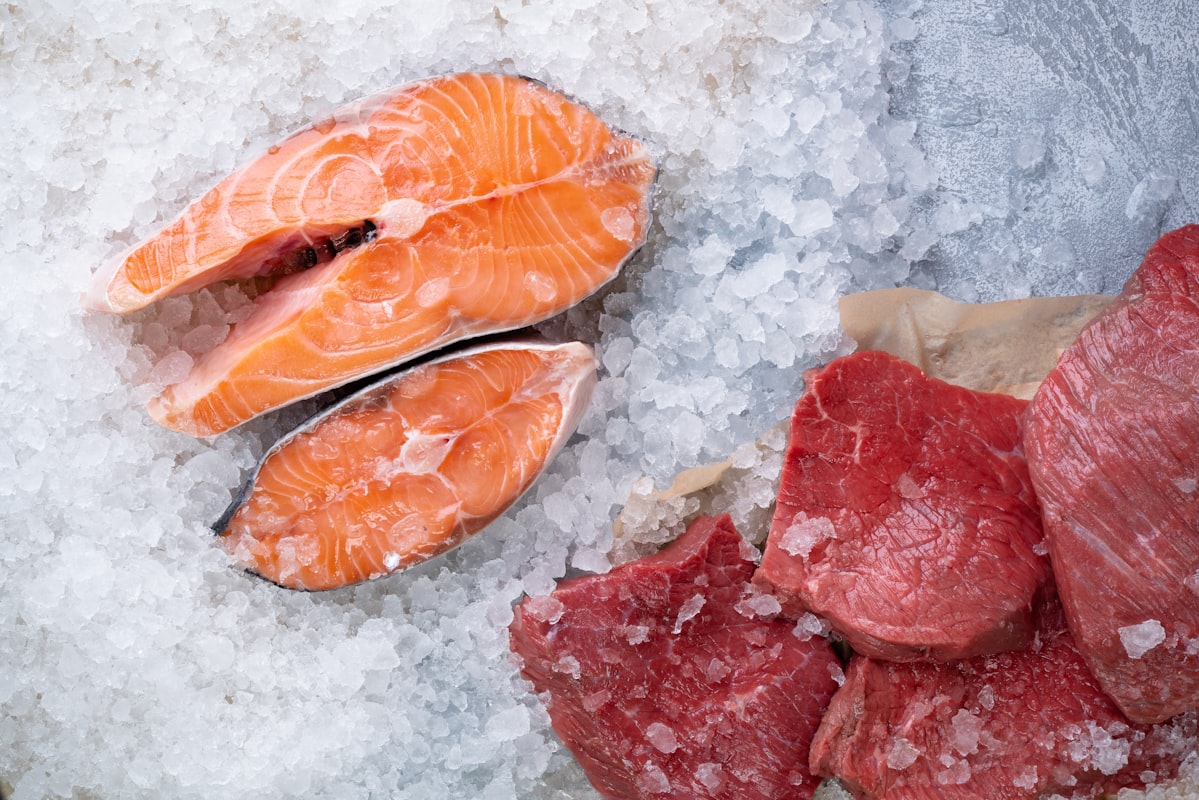
Rich in omega-3 fatty acids (EPA and DHA), salmon reduces inflammatory responses that can compromise cartilage integrity. These polyunsaturated fats also support synovial fluid production, which lubricates joints. The astaxanthin pigment in salmon provides additional antioxidant protection for cartilage cells.
Explore DetailsBell Peppers
Bell peppers deliver exceptional vitamin C content—essential for collagen cross-linking and stabilization. Vitamin C activates prolyl and lysyl hydroxylases, enzymes crucial for collagen maturation. Red and orange varieties contain additional carotenoids that protect cartilage from oxidative stress and free radical damage.
Explore DetailsLeafy Greens (Spinach & Kale)
Spinach and kale contain high levels of minerals like magnesium, calcium, and vitamin K2—all vital for cartilage mineralization and bone-cartilage interface strength. Phytochemicals in these greens suppress inflammatory cytokines. Additionally, lutein and zeaxanthin protect cartilage cells from UV-induced oxidative damage when consumed regularly.
Explore DetailsBerries (Blueberries & Tart Cherry)
Berries are concentrated sources of anthocyanins and polyphenols that combat inflammatory signaling pathways affecting cartilage. Tart cherry extract specifically reduces uric acid levels and inflammatory markers. Blueberries' resveratrol content activates sirtuins, proteins that enhance cellular repair mechanisms and cartilage resilience over time.
Explore DetailsGinger & Turmeric
Ginger root contains gingerols and shogaols—compounds that inhibit inflammatory enzymes like COX-2. The curcumin in turmeric is studied for its properties that may help support the body's natural response to inflammation. Together, these spices create a synergistic effect that reduces joint-related discomfort and supports cartilage longevity through dietary inclusion.
Explore DetailsCitrus Fruits (Oranges & Lemons)
Citrus fruits provide soluble vitamin C and bioflavonoids that strengthen collagen triple helix formation. Hesperidin, found in citrus peels and white pith, promotes blood flow to cartilage tissues and enhances nutrient delivery. The combination of vitamin C and bioflavonoids in oranges and lemons creates optimal conditions for cartilage structural integrity.
Explore DetailsPumpkin & Winter Squash
Pumpkin and squash deliver beta-carotene (converted to vitamin A in the body), which regulates gene expression in chondrocytes—cartilage-forming cells. Vitamin A modulates the balance between cartilage synthesis and breakdown. These vegetables also contain potassium and manganese, minerals essential for enzyme cofactors in collagen cross-linking pathways.
Explore DetailsDeep Dive: Nutrients for Cartilage Resilience
Understanding Collagen & Cartilage Matrix
Cartilage is a dynamic tissue composed primarily of water (70-80%) and a protein-polysaccharide matrix dominated by type II collagen. This collagen provides structural tensile strength, while proteoglycans (chondroitin and keratan sulfate) retain water and create the resilient gel-like consistency. The interplay between these components determines cartilage's ability to absorb compression forces and maintain elasticity.
Nutrition directly influences cartilage homeostasis through several mechanisms. Vitamin C acts as a cofactor for prolyl and lysyl hydroxylases, enzymes that stabilize collagen's triple helix structure. Without sufficient vitamin C, newly synthesized collagen remains unstable and prone to degradation. Minerals like manganese, copper, and zinc serve as cofactors for lysyl oxidase and other enzymes essential for collagen cross-linking—the process that increases tissue strength and longevity.
Omega-3 fatty acids modulate inflammatory signaling pathways. Excessive inflammation upregulates matrix metalloproteinases (MMPs), enzymes that degrade cartilage matrix components faster than they can be replaced. By reducing inflammatory mediators, omega-3-rich foods help maintain the balance between cartilage synthesis and breakdown, supporting long-term structural integrity.
How to Incorporate Cartilage-Supporting Foods
Assess Your Current Diet
Evaluate which cartilage-supporting nutrients you're already consuming. Identify gaps in vitamin C, omega-3, mineral intake, and antioxidant sources to determine which foods warrant emphasis.
Start with Collagen Sources
Begin by incorporating bone broth, grass-fed beef, and wild fish 3-4 times weekly. These foods provide direct amino acids and minerals your cartilage uses for structural repair and maintenance.
Add Antioxidant-Rich Foods
Layer in berries, leafy greens, citrus, and colored peppers daily. These combat oxidative stress and inflammatory signaling that compromise cartilage integrity over time.
Monitor & Adjust
Track how your body responds over 8-12 weeks. Consistency matters more than perfection—steady incorporation of these foods creates cumulative, long-term cartilage support.
Frequently Asked Questions
Cartilage is a slow-turnover tissue with limited blood supply, so dietary changes take time to manifest. Most research indicates 8-12 weeks of consistent nutrient intake before noticeable structural changes occur. Collagen turnover in cartilage occurs over months to years. However, some people report reduced inflammatory markers and improved mobility within 3-4 weeks of dietary optimization, likely due to decreased systemic inflammation rather than cartilage remodeling. Long-term consistency provides the most significant cumulative benefits.
Food provides the raw materials and signaling molecules that support cartilage homeostasis, but cartilage has limited regenerative capacity once severely damaged. Nutrition is most effective as a preventive strategy and for slowing degradation. The goal is to consume adequate micronutrients and omega-3s to maintain the balance between cartilage synthesis and breakdown. Movement and strength training work synergistically with nutrition—mechanical stimulation signals chondrocytes to maintain and repair matrix. A comprehensive approach combining diet, activity, and recovery yields the best outcomes.
Bone broth delivers collagen, gelatin, and mineral cofactors in one food, making it efficient. However, other sources are equally valid: grass-fed beef, wild fish, chicken skin, and pasture-raised eggs all provide collagen amino acids and supportive nutrients. Bone broth's advantage is the concentration of minerals leached from bones during long simmering. If you prefer not to consume broth, combining fish with leafy greens and citrus provides similar micronutrient synergy. Choose foods you'll consume consistently—sustainability of dietary habit matters more than choosing the "perfect" single food.
Whole foods contain nutrient synergies—multiple compounds that work together more effectively than isolated extracts. For example, vitamin C in bell peppers arrives alongside bioflavonoids that enhance absorption and antioxidant effect. Bone broth provides not just collagen peptides but also minerals, amino acids, and glycosaminoglycans in ratios optimized by nature. While supplements can fill specific gaps (e.g., vitamin C if you're deficient), they should complement, not replace, a nutrient-dense diet. Prioritize whole foods first, then add targeted supplements if dietary analysis reveals gaps.
Focus on the most nutrient-dense options per dollar: canned salmon (omega-3 and minerals), frozen berries (anthocyanins, cheaper than fresh), spinach (mineral-rich, budget-friendly), carrots (beta-carotene, stable price), and dried ginger and turmeric (small quantities last long). Chicken bones from grocery store rotisserie chickens can be simmered for broth at minimal cost. Seasonal produce is always cheaper than out-of-season imports. Eggs, legumes, and seeds provide additional mineralized protein. A simple diet of these staples provides comprehensive cartilage-supporting nutrients without premium pricing.
Excess refined carbohydrates, trans fats, and ultra-processed foods promote inflammatory signaling that accelerates cartilage degradation. High-glycemic foods spike blood glucose and trigger advanced glycation end products (AGEs)—compounds that damage collagen through cross-linking. Trans fats disrupt omega-3/omega-6 balance and amplify systemic inflammation. Conversely, whole grains, healthy fats, and antioxidant-rich foods create an anti-inflammatory environment. Limiting alcohol also matters—ethanol depletes B vitamins and minerals essential for cartilage metabolism. The focus should be on adding nutrient-dense foods rather than obsessing over avoidance.
Get Our Cartilage Health Guide
Subscribe to our editorial newsletter for in-depth articles on joint nutrition, cartilage research updates, and seasonal food recommendations delivered to your inbox.
We respect your privacy. Unsubscribe anytime.
Explore More on Cartilage Nutrition
Ready to dive deeper into the science of joint health and personalized nutrition strategies? Our editorial team has compiled comprehensive resources and evidence-based guidance to support your journey toward optimal cartilage resilience.